

Why Video Is the Dental Marketing Channel Most Practices Are Ignoring in 2026

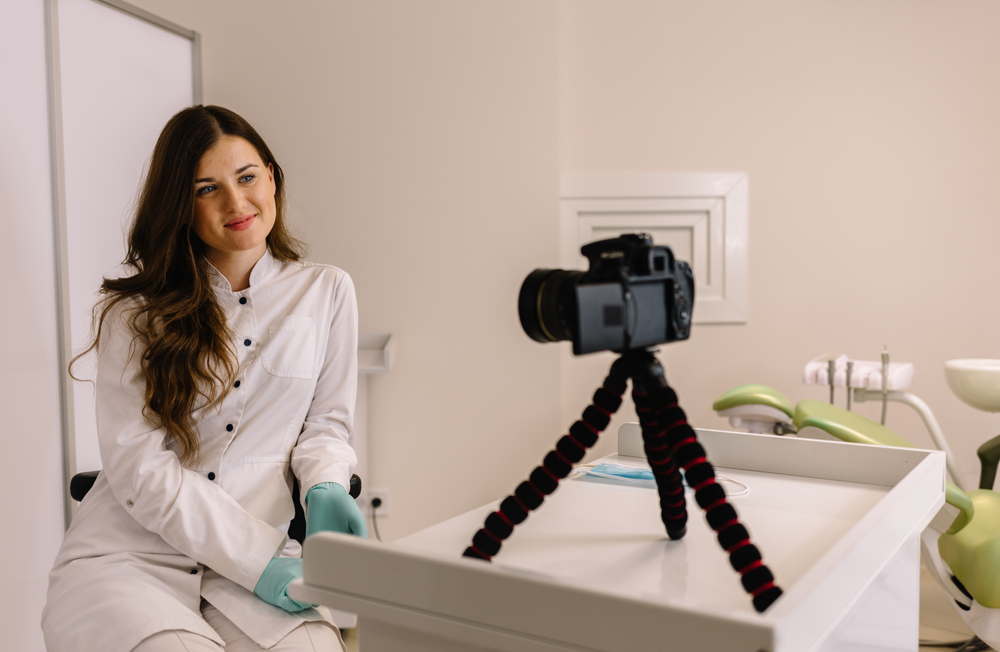
Most dental practices have a website, run some Google Ads, and post on Instagram a few times a month when someone on the team remembers to.
What very few are doing is video, and that gap is widening.
Video is not a trend dentistry missed. It’s an active opportunity sitting largely unclaimed, particularly for independent practices that could use it to build the kind of trust that no ad campaign or review count can replicate on its own.
The Trust Problem Video Solves
Choosing a dentist is a different decision than buying a product. Patients are agreeing to sit in a chair, open their mouths, and trust someone they’ve often never met with their health. That decision is emotional before it’s logical.
Video compresses the time it takes to build that trust. A two-minute introduction from the dentist on the homepage tells a prospective patient more about what it feels like to come to that practice than a paragraph of body copy ever could. They hear the voice, see the environment, and get a sense of whether this is someone they’d feel comfortable with.
That’s the trust gap video closes, faster than almost anything else in a marketing stack.
Where Most Practices Are Getting It Wrong
The hesitation usually comes down to two things: thinking video requires a professional production crew, and not knowing what to say.
Neither is the obstacle it used to be. Smartphones shoot video that looks clean enough for a website or social feed. A short, well-lit, clearly spoken clip recorded in an exam room or office is more effective than an overly produced promotional video that feels like it could belong to any practice in any city. Authenticity reads better than polish in this context.
The content question is simpler than it seems. Patients ask the same questions in every practice. What does a cleaning actually involve? Will this hurt? How long does this take? Each one of those questions is a video. Short, direct, genuinely useful answers from the dentist build authority and show up in search.
Video Isn’t Just Content. It’s One of the Best Performing Ad Formats.
Many practice owners still think of video as something they post occasionally to Facebook or Instagram to stay active on social media. While organic video certainly has value, that’s only part of the story.
Some of the highest-performing digital advertising campaigns today are built around short educational videos rather than static images or promotional graphics. Instead of showing another “Now Accepting New Patients” ad, practices can introduce themselves, answer common questions, or explain treatments in a way that feels helpful instead of sales-focused.
A 30 to 60-second video explaining what happens during a first visit, how Invisalign works, why gums bleed when brushing, or what patients can expect during a dental implant consultation gives prospective patients something far more valuable than another advertisement: confidence.
Meta’s advertising platforms, including Facebook and Instagram, have become particularly effective for this type of educational content. Rather than interrupting someone’s browsing experience with another generic marketing message, practices can meet prospective patients where they already spend their time and answer questions before they’re even ready to book.
People naturally stop scrolling when someone begins explaining something they’re already wondering about. That extra attention often translates into stronger engagement, lower advertising costs, higher-quality website traffic, and ultimately more appointment requests.
The goal isn’t to create viral videos or become an influencer.
It’s to become familiar.
By the time someone actually needs a new dentist, they’re far more likely to contact the practice they’ve already seen explaining procedures, introducing the team, or providing useful advice. Trust begins long before someone fills out a contact form.
Educational video advertising also creates lasting value. Unlike a flyer or limited-time promotion, a well-produced video answering a common patient question can continue generating leads for months while being reused across multiple advertising campaigns.
The Search and AI Angle
Video is increasingly factored into local search visibility. Google’s search results regularly surface video content for procedure-related queries, and practices with video on their websites see longer average session times, which signals to search algorithms that the content is worth showing.
The shift toward AI-driven search makes this more relevant, not less. AI platforms that summarize and recommend local providers are pulling from the same signals: authority, content depth, consistent presence. A practice with well-indexed video content has more of those signals than one with only static text pages.
For a broader look at how AI is changing what drives search rankings for dental practices, the Connect the Doc breakdown on AI and dental SEO covers the shift in detail.
What Actually Works Without a Film Crew
The formats with the best return for independent practices tend to be simple:
- A short dentist introduction on the homepage, two to three minutes, speaking directly to the camera about the practice philosophy and what patients can expect. This alone outperforms most homepage hero sections.
- Procedure explainers that answer specific patient questions about common treatments, filmed in the office with natural light and a phone on a small tripod. These work well on service pages and drive organic search traffic.
- Before-and-after case walkthroughs where the dentist describes what the treatment involved, without showing identifiable patient imagery unless proper written consent is documented and on file.
- Office tour clips that give anxious patients a visual preview of the environment before they arrive. For nervous patients, this reduces a real barrier to booking.
AI Avatar Videos Make Consistent Content Possible
One of the biggest reasons practices struggle with video marketing isn’t creativity. It’s time.
Dentists and their teams have patients to care for, schedules to manage, and businesses to run. Finding time every week to script, record, edit, and publish new videos can quickly become unrealistic.
Artificial intelligence is making that process much easier.
AI avatar platforms allow practices to produce professional educational videos using realistic digital presenters. Instead of setting up cameras every time new content is needed, practices can create educational scripts and quickly turn them into polished videos for their website, social media channels, and advertising campaigns.
This doesn’t mean replacing the dentist or removing the human element from marketing. Authentic videos featuring doctors and team members will always create the strongest personal connection.
Instead, AI-generated videos help fill the gaps.
Imagine quickly creating educational videos covering topics like:
- What happens during a root canal?
- Invisalign vs. traditional braces.
- What patients should expect during their first appointment.
- Dental implant timelines.
- Insurance and financing options.
- Emergency dental situations that require immediate attention.
Rather than delaying content because nobody has time to film, practices can consistently publish helpful educational resources that answer real patient questions.
The strongest marketing strategies will combine both approaches. Real videos build personal trust, while AI-generated educational content helps maintain consistency and ensures patients always have access to useful information.
Consistency often matters more than perfection.
The Compounding Effect
One reason video gets deprioritized is that the return isn’t always immediate. A video posted on a service page or uploaded to YouTube doesn’t necessarily drive an inquiry the day it goes live. But it accumulates.
A library of ten to fifteen short videos built over six months creates a content footprint that keeps working without additional spend. The practice that started a year ago now has a measurable advantage over the one deciding whether to start today.
Independent practices competing for attention against larger groups and DSOs don’t have the budget to outspend their way to the top of search results in most markets.
They can, however, out-communicate.
Video is one of the most efficient ways to do that.
The Platform Question: Where Should Dental Video Live?
The short answer is everywhere it makes sense, but not all platforms carry equal weight for a dental practice.
Your website comes first. A video on a service page or homepage works directly on the patients already considering you. YouTube is worth treating as a search engine in its own right, since procedure-related queries surface video results consistently, and a well-titled upload there indexes separately from your site.
Short-form video on Instagram Reels or Facebook suits quick tips and behind-the-scenes content. These don’t drive direct bookings as reliably as website or YouTube placements, but they keep the practice visible between appointments for existing patients, which supports retention as much as acquisition.
One Video Can Power Your Entire Marketing Strategy
One of the biggest misconceptions about video marketing is that every platform requires completely different content.
In reality, one well-planned video can become dozens of marketing assets.
A two-minute educational video about dental implants, Invisalign, or children’s dentistry doesn’t have to live in just one place. The full version can sit on the relevant service page to educate prospective patients and improve time on site. Shorter clips from that same video can become Facebook and Instagram ads, Instagram Reels, YouTube Shorts, or Google Business Profile updates.
The transcript can be repurposed into a blog article, FAQ section, or email newsletter. Key quotes can become social media posts, while frequently asked questions answered in the video can strengthen your website’s content and improve SEO.
This “create once, distribute everywhere” approach dramatically increases the return on every video you produce.
It’s also becoming increasingly important as search evolves.
Search engines are getting better at understanding video transcripts, captions, structured data, and multimedia content. AI-powered search experiences are increasingly surfacing content that directly answers user questions, regardless of whether the answer originates from a webpage, a video, or both.
Every educational video your practice creates becomes another signal that demonstrates expertise. It supports your SEO efforts, strengthens paid advertising campaigns, creates content for email marketing, gives your Google Business Profile fresh updates, and helps AI systems better understand what your practice does and who you serve.
Video isn’t just another social media post.
It’s one of the few marketing assets that can support nearly every digital marketing channel at the same time.
The channel mix matters less than getting started. A practice with three solid videos on its website is already ahead of most of its local competition.
Ready to Get More From Your Dental Marketing?
Connect the Doc works with independent dental practices across North America to build marketing systems that generate consistent patient flow.



Interested in working with us?
See firsthand how Connect the Doc can fill your pipeline with new patients.

